
Lorna's Blog
The Culture Gap: What Leaders Think They’re Creating vs. What Employees Experience
At a Glance A culture gap can form when there’s a disconnect between leadership’s intent and employees’ actual workplace experiences, often influenced by differing communication styles and perceptions. Warning signs of a culture gap include both obvious issues (like...
When Culture Is Wrong, Performance Pays the Price
At a Glance Organizational culture significantly influences employee performance, organizational outcomes, and overall business success. Research shows that poor workplace culture leads to dysfunctional behaviors, higher turnover, financial costs, reputational damage,...
Culture ROI: The Business Case for a Healthy Organizational Culture
At a Glance Organizational culture significantly impacts business performance, influencing employee engagement, productivity, and overall company outcomes. Leaders play a critical role in shaping culture by setting the tone, building trust, and aligning behaviors with...
Workplace Culture: Turning Words into Behaviour
At a Glance Organizational culture, shaped by shared behaviors, norms, and values, is a powerful driver of workplace engagement, innovation, trust, and business success. Leadership plays a critical role in shaping and reinforcing culture through consistent actions...
Why Organizational Culture Matters More Than Ever
At a Glance Organizational culture in 2026 is central to employee retention, brand identity, and business outcomes, surpassing traditional policies and strategies in influence. Hybrid work environments and AI adoption present new challenges and opportunities,...
Turn Toxic Workplace Culture Into Healthy Culture
At a Glance Toxic workplace culture negatively affects teams and organizations, and addressing it requires more than just identifying and blaming individual "bad eggs." Lasting change comes from examining and transforming the systems, processes, and cultural norms...
From Values to Behaviors: Creating a Culture That Scales
At a Glance Scaling organizational culture requires leaders to balance growth objectives with maintaining a healthy, unified culture. Managers play a pivotal role as culture ambassadors, modeling values and reinforcing standards throughout the organization. Adapting...
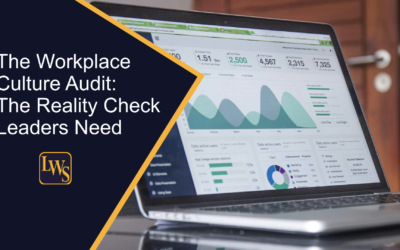
The Workplace Culture Audit: The Reality Check Leaders Need
At a Glance Organizational culture significantly shapes employee engagement, leadership effectiveness, and overall business performance. Leaders often misjudge their true culture due to internal biases and lack of clear documentation, leading to hidden risks like...
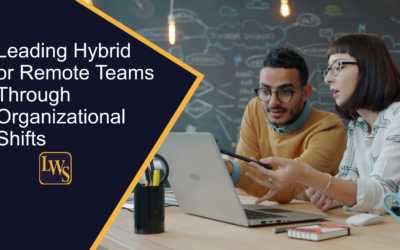
Leading Hybrid or Remote Teams Through Organizational Shifts
At a Glance Hybrid and remote teams thrive when clear norms foster connection, accountability, and alignment, empowering individuals to excel from anywhere. Transparent communication about hybrid work policies builds trust, while outcome-based management encourages...
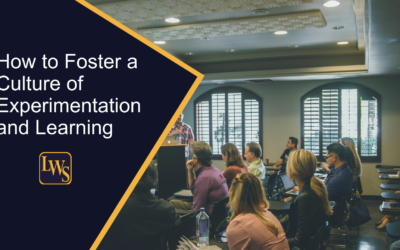
How to Foster a Culture of Experimentation and Learning
At a Glance A culture of experimentation and learning empowers organizations to stay competitive by encouraging curiosity, calculated risk-taking, and continuous improvement at all levels. Psychological safety, fostered by leadership, is fundamental—allowing...